
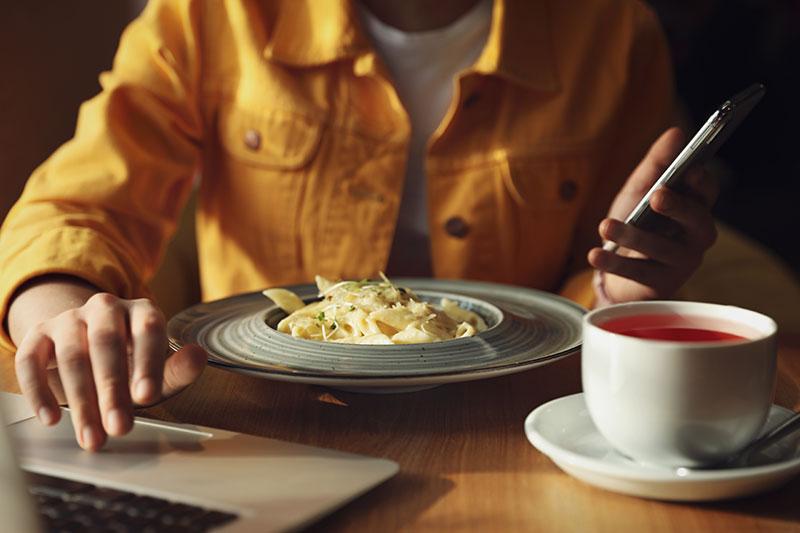
Summer has a way of changing our meal routines. A quick lunch between errands turns into a café stop. Dinner becomes takeout enjoyed on the back patio instead of cooking over a hot stove. Sometimes the destination is part of the experience as much as the food itself.
But while warmer weather may encourage more restaurant visits, the broader shift in meal sourcing has been building for years. Our Eating & Drinking Occasions Database shows that 27% of adult meal occasions involve restaurant-sourced food or beverages—whether that's dining in, grabbing takeout, ordering delivery or even eating restaurant leftovers later at home.1
This highlights an important reality: restaurants are competing to become part of consumers' everyday meal routines, wherever those meals ultimately happen.
Convenience continues to drive mealtime decisions
Across restaurant occasions, routine and convenience remain the strongest influences on restaurant selection, with consumers most likely to choose places that already fit into their daily or weekly habits. Mobile ordering has become another extension of that convenience, especially for certain consumer groups: 34% of restaurant-sourced occasions involve ordering ahead by app, phone or site (39% among Millennials and 43% among parents).1
Gen Z and households with children also tend to source a larger share of their eating occasions from foodservice than older adults or households without kids. They're also more likely to choose takeout, delivery or leftovers over traditional dine-in occasions, reflecting a mealtime picture that is more dynamic, time-constrained and on-the-go.
But dining in isn’t dead
When Gen Z does choose to dine in, they're looking for more than a meal. Atmosphere plays an outsized role, but not simply in the social-media-friendly sense. They over-index on attributes like a comfortable noise level for conversation, fresh air or a pleasant view, spaces that accommodate solo diners and environments where they can comfortably work or linger. The "vibe" isn't just aesthetic—it's functional. It helps the meal accomplish multiple needs in that moment beyond sheer sustenance.
The takeaway
Consumers are becoming increasingly intentional about the role restaurants play within their broader meal routines. Sometimes they're seeking speed. Sometimes connection. Sometimes a productive place to work over lunch. Sometimes simply a break from cooking. As consumers become more selective about when and where they spend, every restaurant occasion carries greater expectations and needs to feel “worth it.”
Understanding those shifting needs—and recognizing that meals are shaped as much by context as cuisine—is becoming one of the biggest opportunities for foodservice operators.
That's exactly the perspective we'll explore in our upcoming Meals 2026 report: examining how consumers navigate the evolving needs, constraints and tradeoffs that shape meal decisions today—and where the next opportunities for brands and foodservice operators are emerging.