
We’re in the thick of fieldwork for our Q1 syndicated report, Claims and Cues 2026: Category Attribute Playbook, and one thing is already clear: consumers live in a productive tension with product claims and certifications.
Many understand they are marketing tools first and informational devices second. And yet, they still rely on them—sometimes heavily—to navigate choice and assess relevance.
“The importance of claims depends on the specific one, but I think ultimately they are there to get you to buy the product. I think informing you about the benefits are secondary. That’s not to say that information is bad; I just think it’s a second tier of what they’re doing.”
— Aaron, 43
Today’s consumers recognize persuasion when they see it, and thus claims are read with a sharper, more interpretive eye.
Another intriguing early theme we’re teasing out is how consumers use claims and cues to infer how a product is made—not just its nutritional benefits. Certain claims help consumers mentally map levels of processing and determine when they might want to probe deeper into the ingredient panel.
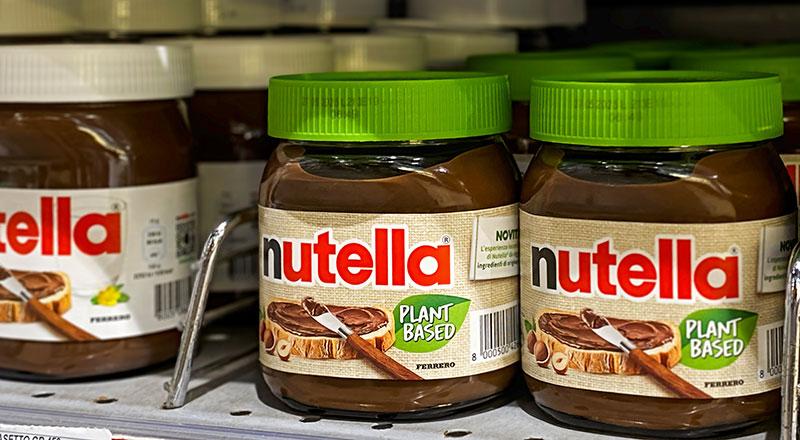
“I’m glad products have the ‘plant-based’ label on them because I often choose not to purchase them because of that. ‘Plant-based’ means ‘processed’ to me. I have many options to prepare vegetables and buy vegetables, and I’m really skeptical of overly processed plant-based foods, especially when they’re ready-to-eat. I don’t want overly processed products that are made from soy just so they can claim to be vegan or vegetarian.”
—Victoria, 48
This highlights the polarizing perception of some claims. On one hand, plant-based claims have been a shorthand for health or sustainability. But as highly processed foods continue to come under fire, this claim can also signal unnecessary engineering. The importance of semiotics in product messaging and claim application cannot be underestimated.
Early implication: Skepticism can (and should) fuel growth
Consumers can simultaneously question claims and rely on them. Brands that acknowledge this reality—through transparency, cultural fluency and consistency—may find they don’t need to “convince” consumers so much as meet them where they already are.
We’ll be unpacking these dynamics in much greater depth in our forthcoming report, Claims and Cues 2026: Category Attribute Playbook, releasing March 30, 2026. The report will provide a comprehensive framework for understanding how claims function across categories, how consumers interpret them in their everyday lives and how brands can deploy them with greater precision and impact.