
For legacy CPG brands, maintaining relevance can feel like an uphill battle. When store brand products increasingly rival national brands on quality and value, brand equity alone can have a shorter shelf life. Store brands reached a record $282.8 billion in U.S. sales in 2025,1 while 42% of consumers say they trust store brands more than national brands when it comes to food and groceries.2
So how can you give consumers a reason to keep choosing your brand? Let’s look at Oreo.
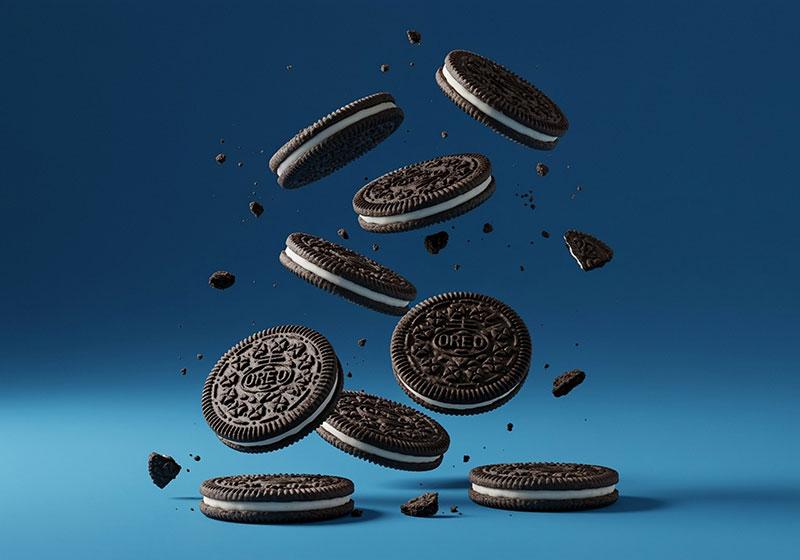
The 114-year-old cookie brand has built a remarkably consistent habit of experimentation. Its latest campaign put three limited-edition flavors on shelf simultaneously in August: Banana Pudding, Deep Fried and Chicken & Waffles. This launch went beyond pure flavor innovation to tap deep into consumer engagement. The “Twist, Lick, Vote” campaign asked consumers to choose which of the three flavors should return in 2027, transforming an LTO into an invitation to participate.
This is Oreo’s broader strategy at work: rather than trying to reinvent the core product, the brand leverages LTOs and partnerships as a consistent conversation engine. The strategy has included partnerships ranging from Reese’s to BTS, alongside a seemingly endless rotation of unexpected flavors. Some innovations will become favorites while others will disappear after a season—and that’s the whole point.
Limited-time innovation gives Oreo room to experiment without asking consumers to rethink what the brand stands for. Scarcity can encourage trial, while novelty creates social currency and gives retailers and consumers something new to talk about.
This approach also reflects a broader consumer tension we’re seeing, particularly in snacking: familiarity provides comfort, while discovery creates excitement. Brands that can connect the two can give consumers a reason to stay anchored to what they know while continuing to explore what comes next.
For legacy brands, the takeaway is building a repeatable system for relevance—one that uses consumer insight to identify culturally resonant ideas, gives the brand permission to play and creates regular opportunities for consumers to participate.
Maintaining and expanding relevance requires more than protecting what made your brand successful in the first place: you have to give consumers a fresh reason to care about it again and again.
This challenge is a central focus of our upcoming Q4 study, Brand Landscape 2027: Trust and Value. The study will explore what drives consumers to stay, switch, forgive or walk away; where brands still create meaningful differentiation; and how marketers can build preference and loyalty as more products begin to feel interchangeable. Contact Melissa Abbott to secure your copy of the report today.
Sources:
- U.S. Private Label Industry Reached $282.8 Billion in Sales in 2025, PLMA, January 2026
- Food Sourcing in America 2025: Fragmentation and Focus, Hartman Group